





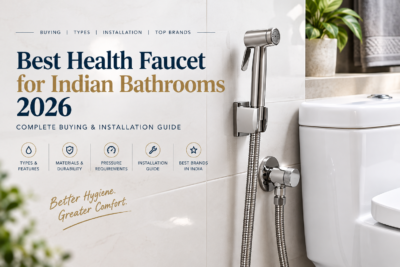
Health Faucet for Indian Bathrooms 2026: Buying and Installation Guide
A health faucet is the single most used fitting in an Indian bathroom, yet it is typically bought last, with

A shower is no longer just a functional bathroom fixture. In modern Indian homes, it has become an important part of lifestyle, comfort, and interior design. Whether you are renovating a compact apartment bathroom in Mumbai or designing a spacious villa bathroom from scratch, the right shower design can completely transform the space.
Indian bathroom trends have evolved significantly over the last few years. Homeowners are now focusing on layouts that combine luxury, smart space utilisation, easy maintenance, and long-term durability. Modern shower designs are expected to look elegant while also handling the practical needs of daily use in Indian households.
From rainfall shower systems and frameless glass enclosures to concealed plumbing and compact wet areas, there are several shower design ideas that are trending in 2026. If you are planning to upgrade your bathroom, this guide will help you understand the best options available for Indian homes.Shower design ideas for Indian bathrooms are evolving rapidly in 2026, with homeowners focusing on modern layouts, premium fittings, and smart space planning.
Shower design ideas 2026 are focused on creating modern Indian bathrooms that combine comfort, luxury, functionality, and smart space planning.
One of the most popular shower design ideas for Indian bathrooms in 2026 is the open wet area concept, commonly known as a walk-in shower.
Instead of using bulky partitions or curtains, the bathroom is designed with a dedicated shower zone and a slight floor slope that directs water toward the drain. This design creates a seamless and spacious appearance, especially in smaller bathrooms.
Open wet area showers are highly preferred because they:
Maximise available floor space.
Create a clean and modern aesthetic.
Reduce visual clutter
They are easier to maintain and clean.
This layout works particularly well in compact apartments where every inch of space matters. Large-format tiles combined with a linear drain can further enhance the minimal appearance.
However, proper waterproofing is extremely important in open wet bathrooms. High-quality waterproof membranes and efficient floor drainage systems help prevent leakage and moisture problems over time.
Glass shower enclosures continue to dominate modern bathroom design trends in India. They offer a perfect balance between functionality and aesthetics by separating wet and dry zones without making the bathroom feel smaller.Glass partitions remain one of the most popular shower design ideas for Indian bathrooms because they create a spacious and modern appearance.
Frameless glass shower enclosures are especially popular because they create a sleek and luxurious appearance. Unlike traditional bathroom partitions, clear tempered glass allows light to move freely across the room, making even compact bathrooms appear more spacious.
Benefits of glass shower enclosures include:
Better water containment
Elegant modern appearance
Easy maintenance
Improved bathroom hygiene
Increased property value
Sliding glass doors are commonly used in compact bathrooms, while hinged doors work better in larger layouts.
Tempered safety glass is highly recommended because it is durable, resistant to heat, and safer for family use. Frosted glass can also be used for additional privacy while maintaining a premium look.
Rainfall shower heads have become one of the most desirable bathroom upgrades in Indian homes. These shower systems provide a gentle overhead flow that creates a relaxing and luxurious experience similar to standing under natural rain.
Unlike standard wall-mounted showers, rainfall systems distribute water evenly across the body, improving overall comfort during bathing.
Popular rainfall shower options include:
Ceiling-mounted rainfall showers
Wall-mounted overhead showers
Multi-function rainfall systems
LED rainfall shower heads
Ceiling-mounted showers are ideal for spacious bathrooms with higher ceilings, while wall-mounted overhead arms are suitable for compact Indian bathrooms.
Before installation, it is important to evaluate water pressure levels in your building. Rainfall shower heads generally perform best with moderate to high water pressure. In low-pressure homes, installing a pressure pump may improve performance significantly.
Modern homeowners are increasingly investing in shower panels and multi-function shower systems for a premium bathing experience.
A shower panel is a vertically mounted unit that combines several functions into one compact system. These systems usually include:
Rainfall shower head
Hand shower attachment
Body massage jets
Temperature control system
LED display features
One of the biggest advantages of shower panels is their ability to deliver luxury without requiring major structural modifications.
For homeowners upgrading existing bathrooms, shower panels provide an efficient way to achieve a modern spa-inspired setup while maintaining a clean and organised design.
Additionally, multi-function systems improve user convenience and enhance the overall visual appeal of the bathroom.
Small bathrooms require smart planning and efficient layouts. However, a compact bathroom can still look modern, luxurious, and spacious with the right shower design choices.
Homeowners looking for shower design ideas for Indian bathrooms often prefer compact layouts with smart storage solutions
The best shower ideas for small bathrooms focus on:
Space-saving layouts
Minimal visual obstruction
Smart storage integration
Efficient drainage planning
Popular compact shower solutions include:
Corner shower enclosures
Curved glass partitions
Wall niches for toiletries
Ceiling-mounted shower heads
Sliding shower doors
Using light-colored tiles and clear glass panels helps make the bathroom feel larger and brighter. Large mirrors and minimal fittings also contribute to an open appearance.
Wall niches are another practical addition because they eliminate the need for bulky shelves and hanging organisers inside the shower area.
The goal is to create a bathroom that feels intentional and uncluttered instead of cramped.
One of the strongest bathroom design trends in 2026 is concealed plumbing.
Instead of exposed pipes and fittings, modern bathrooms now hide plumbing lines within the wall, leaving only essential fixtures visible. This creates a cleaner, more premium appearance.
Advantages of concealed plumbing include:
Minimal and modern aesthetics
Easier bathroom cleaning
Better space optimization
Improved visual consistency
Concealed diverters, flush systems, and mixer controls are now commonly used in premium Indian bathrooms.
Although concealed plumbing may require additional planning during renovation, the long-term visual and functional benefits make it a worthwhile investment.
Bathroom tiles play a major role in the overall appearance and functionality of the shower area.
In 2026, homeowners are moving toward:
Large-format tiles
Matte-finish surfaces
Anti-skid flooring
Natural stone textures
Neutral colour palettes
Popular tile colours include:
Light grey
Beige
White marble finish
Earthy stone textures
Warm concrete tones
Large-format tiles reduce grout lines, making the shower easier to clean while creating a seamless appearance.
For flooring, anti-skid tiles are strongly recommended to improve safety, especially in family bathrooms with children or elderly users.
A beautiful shower design will not function properly without effective drainage and waterproofing.
Modern bathrooms commonly use:
Linear drains
Corner drains
Hidden drainage channels
Linear drains are especially popular in walk-in showers because they provide efficient water flow while maintaining a minimal appearance.
Waterproofing is equally important. Poor waterproofing can lead to:
Leakage issues
Mold growth
Damp walls
Structural damage
Professional waterproofing solutions should always be used during bathroom renovation projects. Investing in proper waterproofing early can prevent expensive repairs in the future.
Bathroom fittings are no longer limited to traditional chrome finishes. Modern Indian bathrooms now feature bold and elegant finish options.
Trending shower fitting finishes include:
Matte black
Brushed gold
Gunmetal grey
Satin nickel
Rose gold accents
Matte black remains one of the most popular choices because it creates a strong visual contrast against light bathroom tiles.
Brushed gold finishes add warmth and pair beautifully with wooden vanity units and earthy interiors.
For the best results, maintain the same finish across:
Shower systems
Faucets
Towel holders
Consistency helps create a cohesive and premium-looking bathroom design.
Experts recommend choosing shower design ideas for Indian bathrooms that balance style, ventilation, and easy maintenance
These shower design ideas 2026 trends are transforming modern Indian bathroom interiors.
Technology is becoming an important part of luxury bathroom design.
Many premium shower systems now include:
Digital temperature controls
Water-saving technology
LED lighting systems
Touch control panels
Smart thermostatic mixers
These features improve comfort, safety, and water efficiency.
Thermostatic mixers are particularly useful because they maintain consistent water temperature, reducing the risk of sudden hot or cold water changes.
Smart shower systems are increasingly being used in luxury apartments and modern villas across India.
While planning a bathroom renovation, homeowners often focus only on aesthetics and overlook functionality.
Some common shower design mistakes include:
Poor drainage slope
Inadequate waterproofing
Choosing oversized fittings for compact bathrooms
Ignoring water pressure requirements
Using slippery floor tiles
Poor ventilation planning
Avoiding these mistakes during the design stage can save significant time and money later.
Always prioritise practicality along with visual appeal.
Before selecting a shower setup, ask yourself a few important questions:
How much space is available?
Is the bathroom used by multiple family members?
What is the building’s water pressure?
Is ventilation sufficient?
Are you renovating or building from scratch?
For compact apartments, open wet areas and sliding glass partitions work best.
For premium homes, rainfall systems and multi-function shower panels offer a more luxurious experience.
Choosing the right shower design depends on balancing:
Budget
Functionality
Space efficiency
Maintenance
Aesthetic preference
Minimal shower design ideas for Indian bathrooms work especially well in compact apartments.
These shower design ideas for Indian bathrooms are designed to improve comfort, aesthetics, and long-term usability.
Smart shower design ideas for Indian bathrooms can significantly improve both comfort and functionality.
Modern shower design ideas for Indian bathrooms in 2026 focus on creating spaces that are elegant, functional, and easy to maintain. Whether you prefer a compact walk-in shower, a rainfall shower system, or a luxurious glass enclosure, thoughtful planning can completely transform your bathroom experience.
Minimal layouts, concealed plumbing, premium finishes, and smart shower technology are shaping the future of Indian bathroom interiors. By combining practicality with modern aesthetics, homeowners can create bathrooms that feel spacious, relaxing, and visually refined.The best shower design ideas for Indian bathrooms combine premium styling with practical everyday functionality.
Investing in the right shower design not only improves daily comfort but also enhances the overall value and appeal of your home.
1. Which shower design is best for a small Indian bathroom?
Open wet area showers and corner glass enclosures work best for compact Indian bathrooms because they save space and create a larger visual appearance.
2. Are rainfall shower heads suitable for Indian homes?
Yes, many modern rainfall shower systems are compatible with standard Indian water pressure. However, low-pressure buildings may require a booster pump.
3. What is the easiest shower design to maintain?
Walk-in wet areas with linear drains and large-format tiles are among the easiest shower designs to clean and maintain.
4. Which shower finish is trending in 2026?
Matte black, brushed gold, and gunmetal grey are among the most popular bathroom fitting finishes in modern Indian homes.
5. Can I install a rainfall shower in an existing bathroom?
Yes, wall-mounted rainfall shower arms can usually be installed in existing bathrooms without major structural modifications.
A health faucet is the single most used fitting in an Indian bathroom, yet it is typically bought last, with
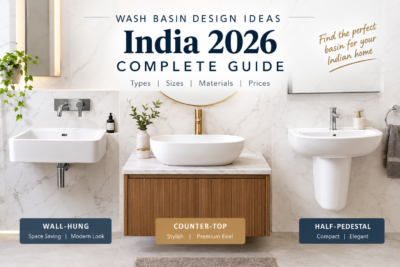
Wash basin design is one of the most overlooked decisions in a bathroom renovation. Most homeowners pick a basin based
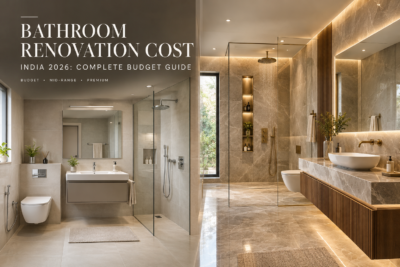
Bathroom renovation cost in India is the question that most renovation projects get wrong before the first tile is laid.
No account yet?
Create an Account