





Blog
Ultimate Guide to Bathroom Flooring Options: Pros, Cons, and Style Tips
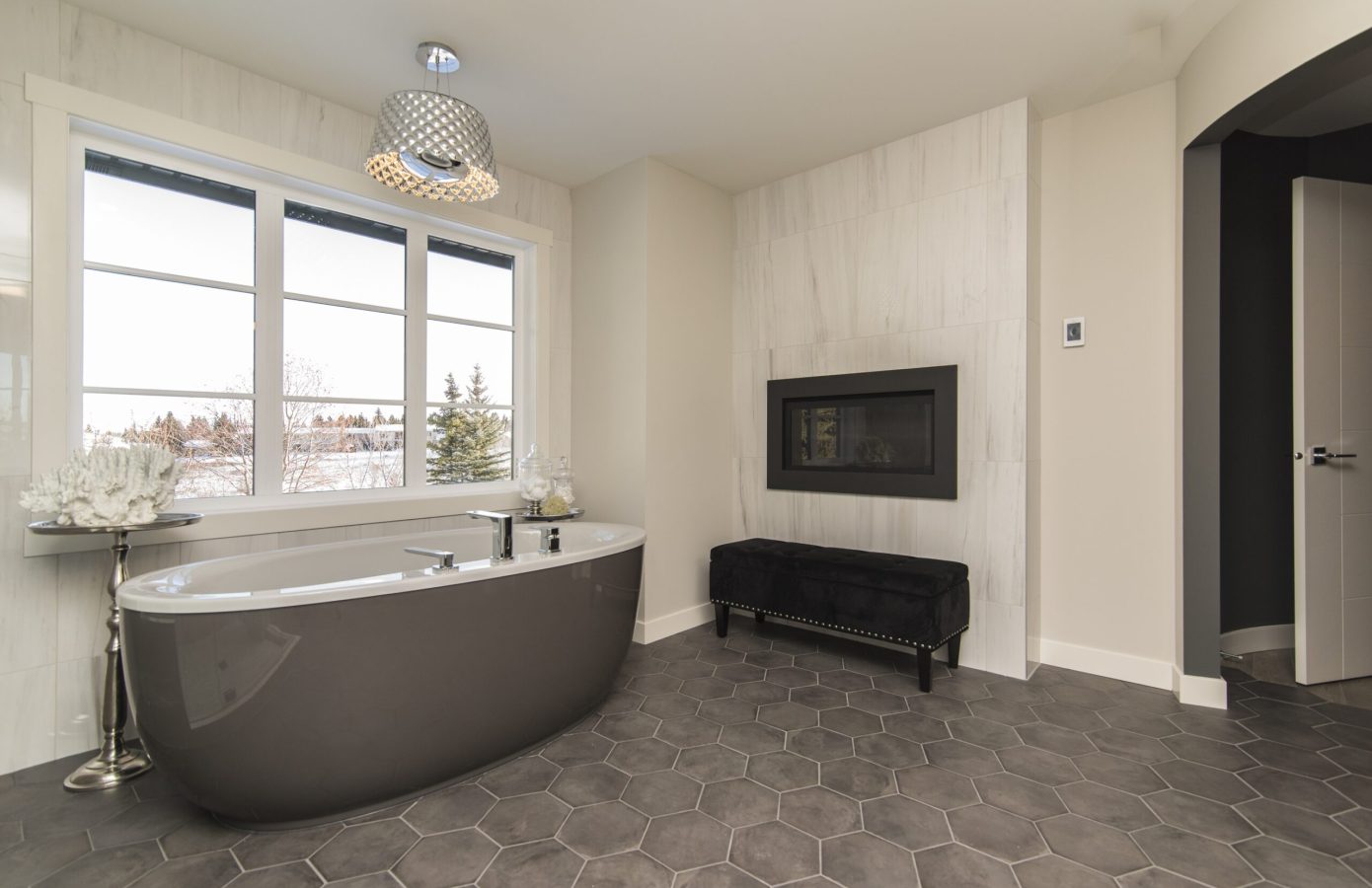
Why Bathroom Flooring Matters More Than Any Other Room
Bathroom floors go through more stress than living rooms and bedrooms because they face:
- Water exposure (wet feet, spills, shower splash)
- Humidity and steam
- Slippery conditions
- Frequent cleaning
- Mold and mildew risk
Bathroom Flooring Options (Quick Comparison)
- Tile (ceramic/porcelain)
- Vinyl (LVP/LVT/sheet)
- Natural stone
- Concrete
- Waterproof laminate
- Engineered wood (limited use)
- Microcement / seamless coatings
Which Flooring Is Best for Bathroom? Start With These 5 Questions
Before selecting from different bathroom flooring options, ask:
1) How wet does the floor get daily?
A bathroom with a shower used twice a day needs waterproof bathroom flooring more than a guest powder room.
2) Who uses the bathroom?
For children or elderly family members, prioritize non slip bathroom flooring.
3) What’s your cleaning style?
If you want low-maintenance floors, avoid porous materials that need sealing.
4) Is this a long-term home or a rental?
Rentals need durable, affordable, easy-to-replace flooring.
5) Do you want a warm feel underfoot?
Tile looks great but can feel cold without underfloor heating.
Bathroom Tile Flooring (Ceramic & Porcelain)
When people ask about the best flooring for a bathroom, bathroom tile flooring is often the first recommendation, and for good reason.
Pros
- Highly water-resistant (especially porcelain)
- Huge range of designs (marble-look, wood-look, matte, textured)
- Long lifespan when installed correctly
- Works well with underfloor heating
Cons
- Grout lines can stain if not sealed or cleaned properly
- Hard underfoot (less comfortable standing long)
- Can be slippery if you choose glossy finishes
Style Tips for Tile
- Choose matte or textured finishes for safer footing
- Use smaller tiles (like hex or mosaic) in wet zones for better grip
- Pick warm neutral tones to make small bathrooms feel bigger
- Consider large-format tiles to reduce grout lines and create a modern look
Waterproof Bathroom Flooring With Luxury Vinyl (LVP/LVT)
If you want the look of wood or stone without the maintenance, luxury vinyl is one of the most practical bathroom flooring options today.
Pros
- Excellent waterproof bathroom flooring choice (when properly installed)
- Softer and warmer than tile
- Budget-friendly compared to stone
- Easy to clean and replace
Cons
- Can dent with heavy objects
- Lower-end vinyl may look less realistic
- Poor installation can allow water seepage at the edges
Style Tips for Vinyl
- Choose stone-look vinyl for a spa vibe
- Go with wide plank wood-look for a modern hotel feel
- Pair with matte black fixtures for a clean contrast
Bathroom Floor Materials in Natural Stone (Marble, Slate, Travertine)
Natural stone adds a premium finish and timeless appeal, but it requires more care than other bathroom flooring types.
Pros
- Luxury, high-end appearance
- Unique natural patterns (no two floors look identical)
- Adds value in upscale renovations
Cons
- Many stones are porous and need sealing.
- Can stain from harsh cleaners
- Often more expensive (material + labor)
Style Tips for Stone
- Use slate for a naturally textured, slip-resistant look.
- Avoid polished marble in wet bathrooms unless you use rugs and properly seal it.
- Pair stone floors with soft lighting for a spa-style effect
Non-Slip Bathroom Flooring Options (Safety Without Sacrificing Style)
Best non-slip choices include:
Practical Safety Tip
Bathroom Flooring Types That Look Seamless (Concrete & Microcement)
For modern, minimalist bathrooms, seamless floors are trending. Concrete and microcement create a clean, continuous look.
Pros
- Sleek, modern aesthetic
- Fewer joints = easier visual flow
- Works beautifully with warm lighting and wood vanities
Cons
- Needs expert waterproofing layers
- Can crack if the subfloor moves
- Can feel cold without heating
Style Tips
- Use soft beige or warm grey tones for a calm, premium feel
- Combine with floating vanities and wall-hung toilets for a modern look
Waterproof Laminate for Bathrooms (Is It Worth It?)
Modern waterproof laminate has improved significantly, but it’s still not the safest option for every bathroom.
Pros
- Affordable wood-look style
- Comfortable underfoot
- Easy click-lock installation
Cons
- Not all “water-resistant” laminate is truly waterproof
- Edge swelling can happen if water sits too long
- Needs careful sealing around the perimeter
Best Flooring for Bathroom by Use Case (Real-World Recommendations)
Here’s a simple way to decide which flooring is best for bathroom spaces:
For a family bathroom (high traffic)
Porcelain tile or luxury vinyl
Safe, durable, and easy to clean.
For a small bathroom or powder room
Waterproof laminate, vinyl, or ceramic tile
Less water exposure gives you more flexibility.
For a luxury master bathroom
Natural stone (sealed) or large-format porcelain
Premium look with long-term value.
For a rental property
Cost-effective, quick to install, easy to maintain.
Final Style Tips to Make Any Bathroom Floor Look Expensive
- Choose consistent tones (avoid too many patterns)
- Use matching grout for a seamless look
- Add warm lighting to soften the space
- Keep floor transitions clean (minimal thresholds)
- Use a quality bath mat in wet zones for comfort and safety